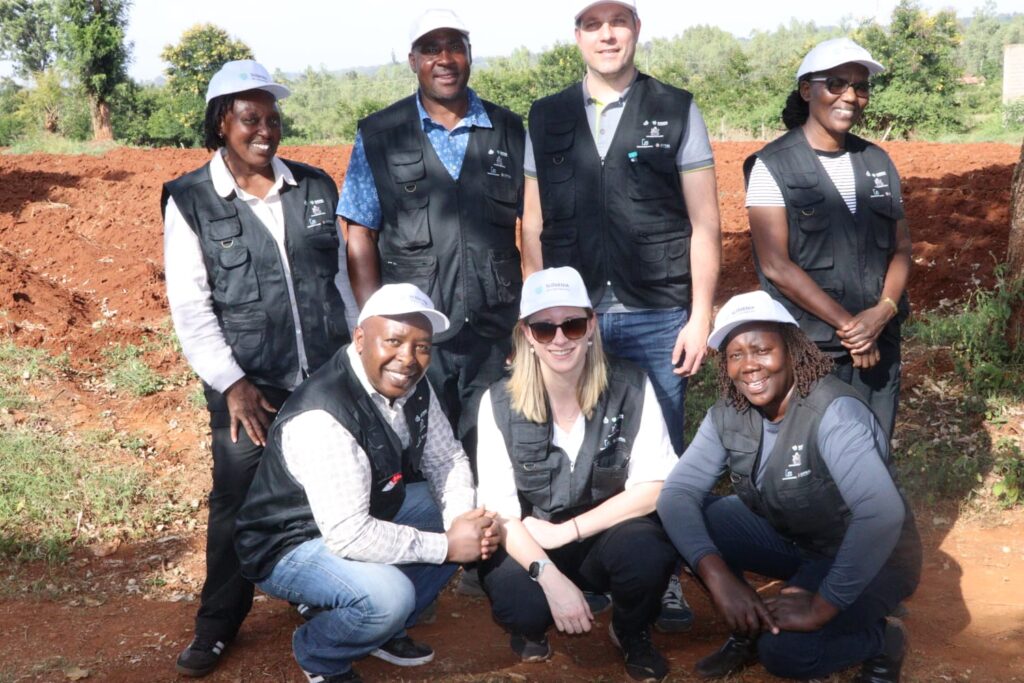
In the week of 12–17 January 2026, partners of the Reduction of Antibiotics Use in Farming Practices in East Africa with a Technology Transfer and Pilot Project in Kenya advanced core project activities during a technical visit to Nairobi, Kenya. The mission focused on collaborative scientific work with the University of Nairobi and strengthened knowledge transfer between the project’s implementers and local research teams.
This initiative, funded by the Ministry of Foreign and European Affairs of the Republic of Slovenia and implemented under the auspices of the International Center for Promotion of Enterprises (ICPE), targets sustainable alternatives to antibiotics in horticultural farming. It introduces bacteriophage-based technologies to mitigate antimicrobial resistance (AMR) and to support sustainable agricultural practices, aligning with Kenya’s national AMR policy and international frameworks on public health, food safety, and environmental protection.
During the visit, field teams undertook environmental sampling across project sites and jointly conducted laboratory work related to isolation and analysis of bacterial strains and bacteriophages. These activities are part of a structured work package that includes the collection of bacterial and phage samples, development of laboratory protocols, and iterative testing to inform subsequent pilot and field trials. Training sessions in sampling protocol and laboratory techniques were carried out with experts from Jafral d.o.o., the Slovenian biotechnology partner, and the University of Nairobi research team.